recipe
Bolo de Fubá: Brazilian cornmeal cake
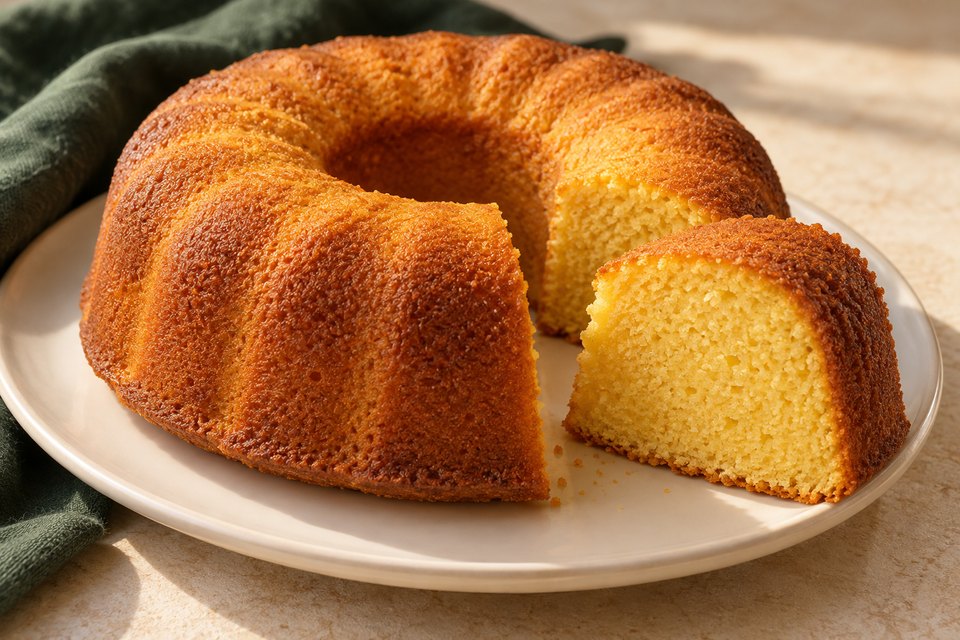
A plain Brazilian cornmeal ring cake with a tender yellow crumb. Use finely milled cornmeal and all-purpose flour, with clear US pan guidance and no filling or frosting.
Plus final cooling before slicing.
About 8 slices from one 10-cup ring pan; portion count is estimated
Ingredients and method
About 8 slices from one 10-cup ring pan; portion count is estimated
Planning estimate: 55–75 min · Easy. Plus final cooling before slicing.
Timing guide: Allow about 15 minutes to prepare the pan and batter, start checking the bake at 30 minutes, then rest in the pan for 10 minutes. Extra baking and the final cooling depend on the pan and room temperature.
Method
- Heat the oven to 350°F with a rack in the middle. Use a 10-cup metal Bundt or tube cake pan, roughly 9–10 inches across and 3–4 inches deep; check the stated capacity because shapes vary. Butter the inside thoroughly, including the center tube, then dust lightly with flour and tap out the loose excess.
- Whisk the fine cornmeal, flour, baking powder and salt in a bowl so the leavener is evenly distributed. Use level US measures and do not pack the cornmeal into its cup.
- In a second bowl, whisk the sugar and eggs until evenly combined and slightly paler. Whisk in the oil, followed by the milk. Add the dry mixture and whisk gently just until the batter is smooth, scraping the bottom of the bowl to catch dry pockets. Do not keep beating once it is combined.
- Pour into the prepared pan and smooth the surface. Leave at least 1 1/4 inches between the batter and the pan rim for expansion; if your pan cannot provide that space, use the specified larger-capacity pan before baking. Bake promptly. Begin checking at about 30 minutes: the surface should be golden, the edges should begin to pull away, and a thin skewer inserted into the thickest part should come out without wet batter. If it is still wet, bake a few more minutes and check again. The time is an estimate, not a guaranteed endpoint.
- Set the pan on a rack for about 10 minutes. Using oven mitts, invert onto the rack and lift away the pan. Let the cake finish cooling before slicing; it is more fragile while very hot. Serve plain.
- Plan to serve the cake on the day it is baked. Once completely cool, cover it to keep it from drying out. For later servings, wrap individual slices and freeze; thaw wrapped slices in the refrigerator. Do not taste raw batter, and wash hands, bowls and utensils after contact with raw flour or eggs.
Buy fine cornmeal for a fine crumb
The Brazilian label to look for is fubá mimoso. A US product labeled fine yellow cornmeal is the corresponding style used in this selected recipe; Goya’s own cornmeal-cake formula is written for its fine-ground product. Read the bag carefully rather than relying only on the words corn flour.
Flocão for cuscuz, grits, coarse polenta meal, masa harina, precooked arepa flour and cornstarch are different products. This recipe does not provide a conversion for them. A coarse grind can remain gritty in a batter designed for fine meal, while a self-rising cornmeal mix brings its own flour, salt or leavening.
Measure the cornmeal by the stated US volume. Package nutrition labels, Brazilian household cups and different grinds do not establish a universal gram weight for that cup. The wheat flour is also part of the formula; this is not a gluten-free cake.
A plain cake, with one consistent formula
Bolo de fubá can take several forms. This is an evenly baked cake crumb throughout, with no creamy layer, cheese, coconut, guava or topping. The selected two-egg formula uses equal volumes of fine cornmeal and wheat flour and is mixed by hand.
Panelinha’s larger blender version uses more cornmeal, sugar, eggs and oil and includes fennel seeds. Those are deliberate differences between recipes, not missing ingredients to add to this one. Keeping the selected proportions together makes the US instructions easier to follow.
Pan capacity matters more than the outside width
A 10-cup pan describes its approximate full capacity, not permission to pour in ten cups of batter. The center tube, depth and decorative ridges change how much room remains. Check capacity before mixing and keep the headroom described in the instructions.
Grease the tube and any ridges as carefully as the outer walls. The short rest after baking lets the cake settle before you turn it out. A skewer with liquid batter means the center needs more baking; a browned surface alone is not enough. The recipe has not been developed for a loaf pan, a solid round pan or a creamy-cake filling.
Serving, keeping and allergens
Slice once the cake has cooled enough to hold together and serve with coffee or tea if you like. For a make-ahead plan, freeze cooled individual slices rather than assuming it stays fresh for several days at room temperature. Panelinha describes freezing portions of its plain cornmeal cake.
Contains wheat, milk and egg. Read the cornmeal and other package labels for additional allergy information. Raw flour and eggs should not be tasted in batter; baking the cake fully is part of safe preparation.